
 English
 Uzbek
Uzbek
 Russian



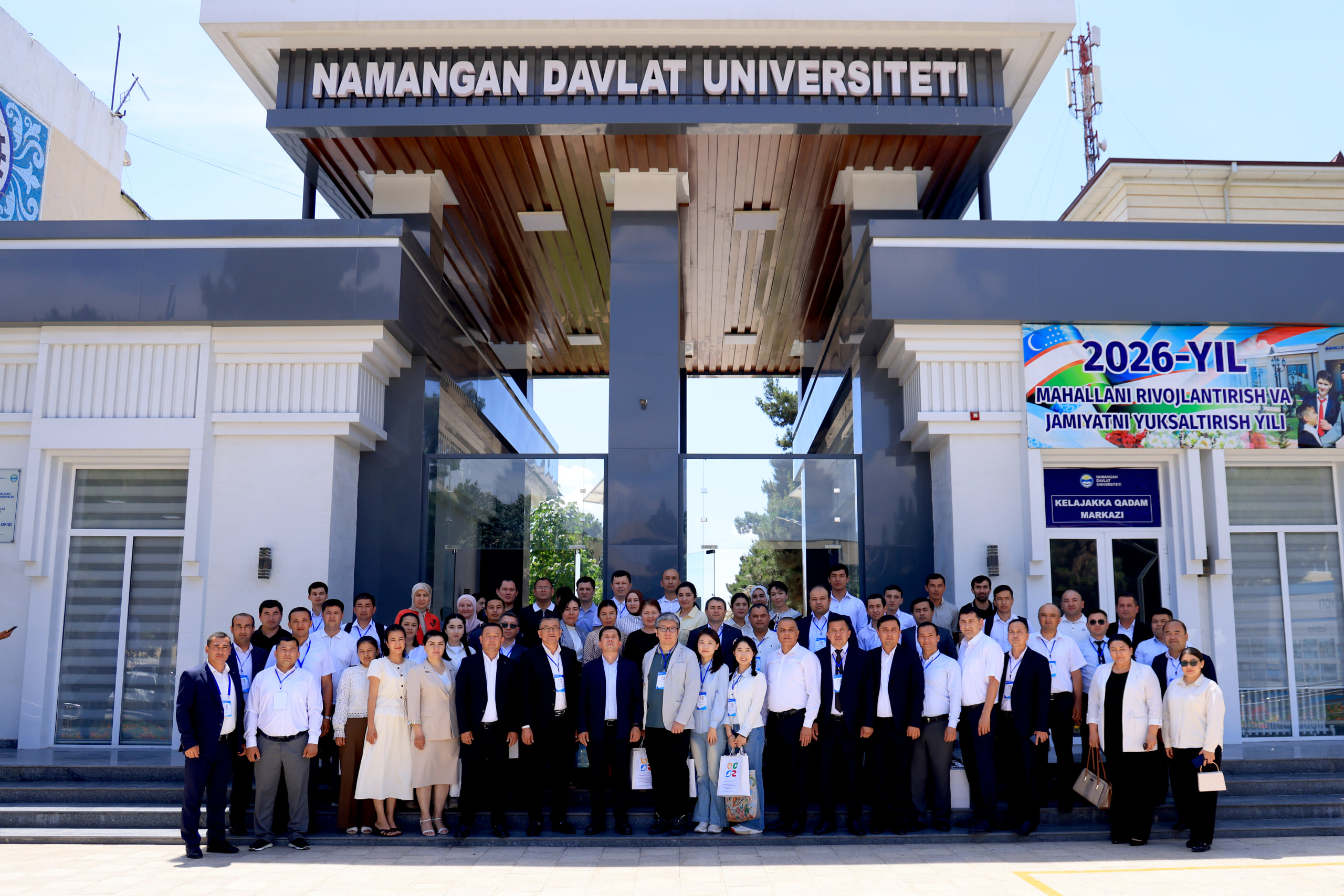

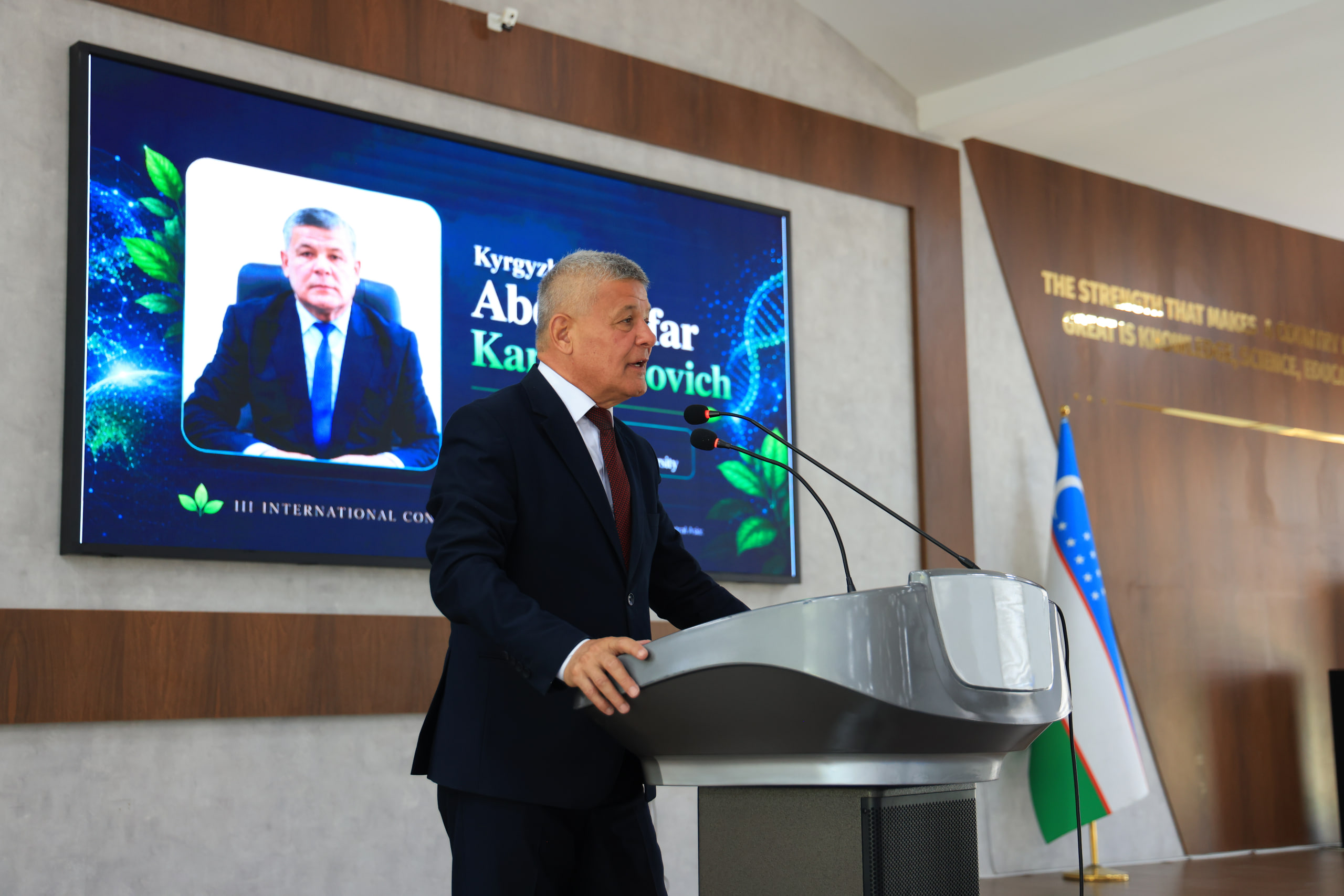
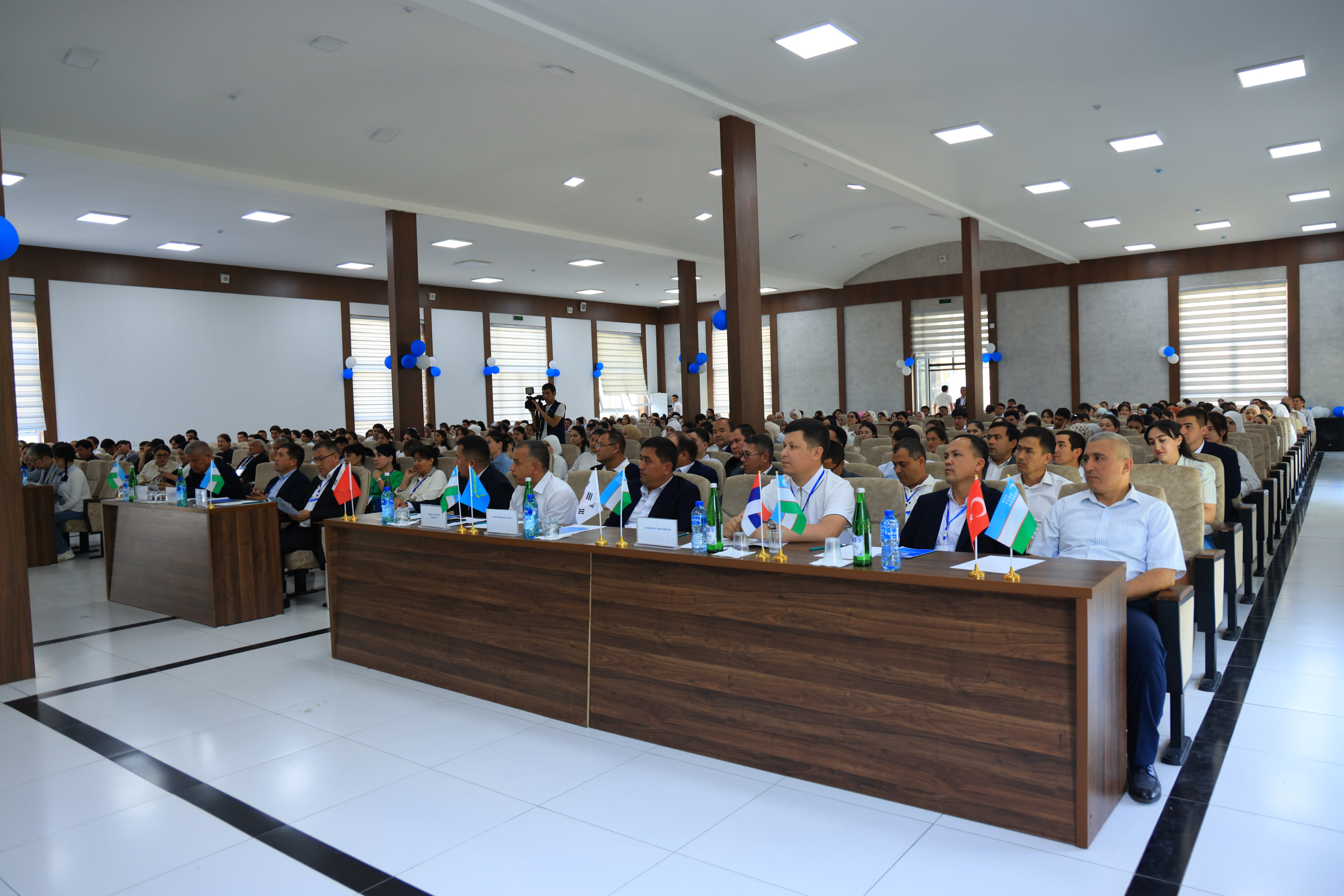
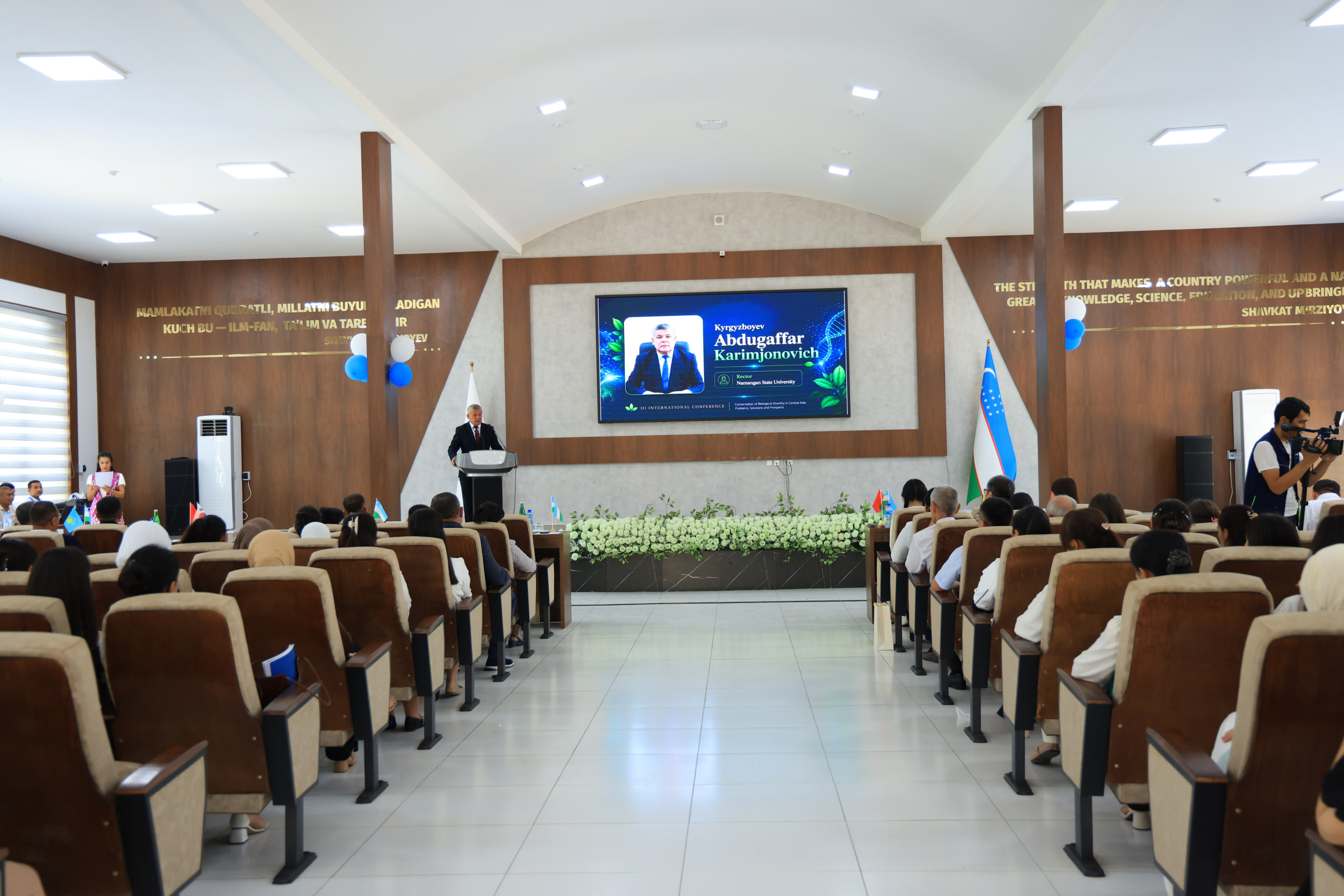
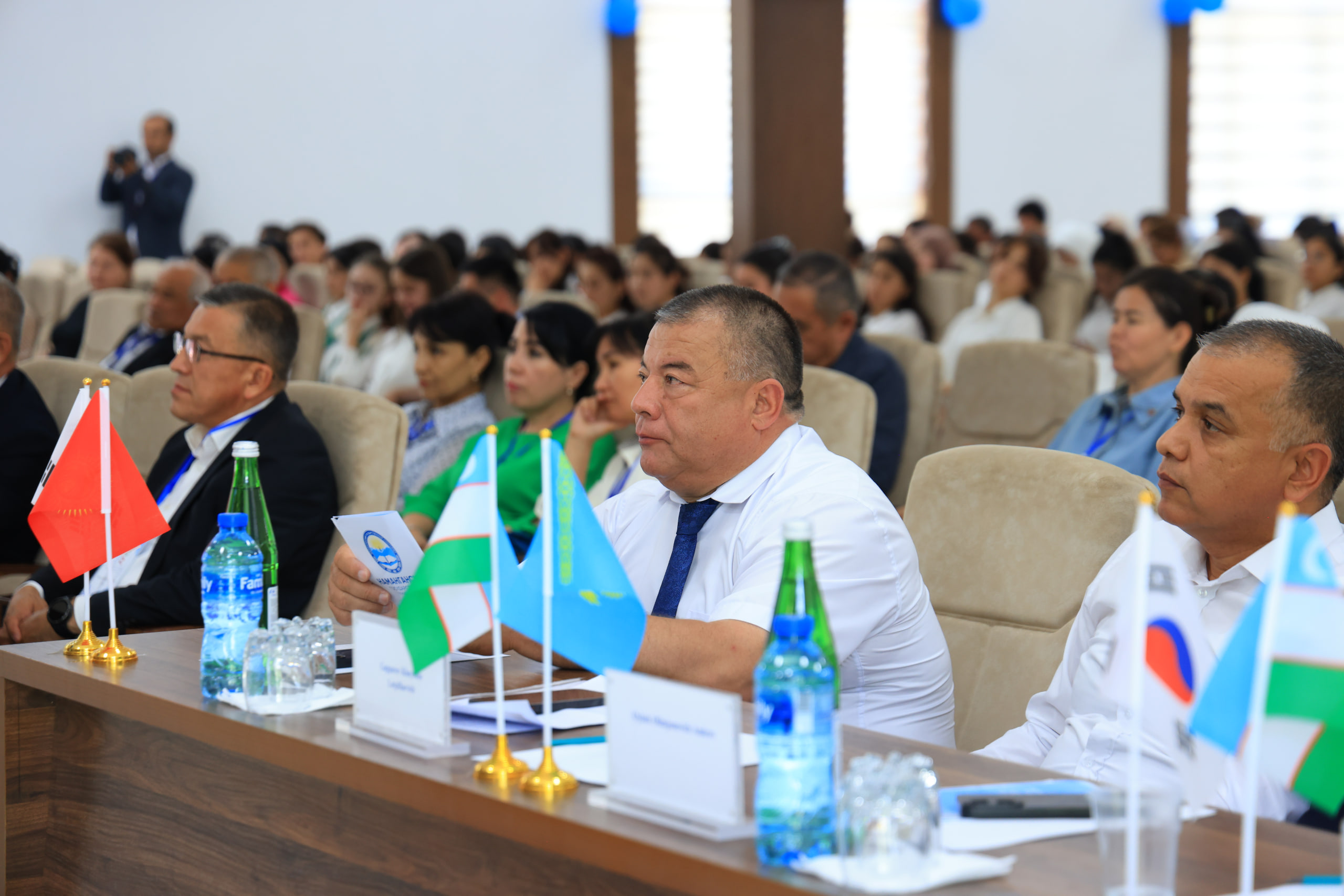
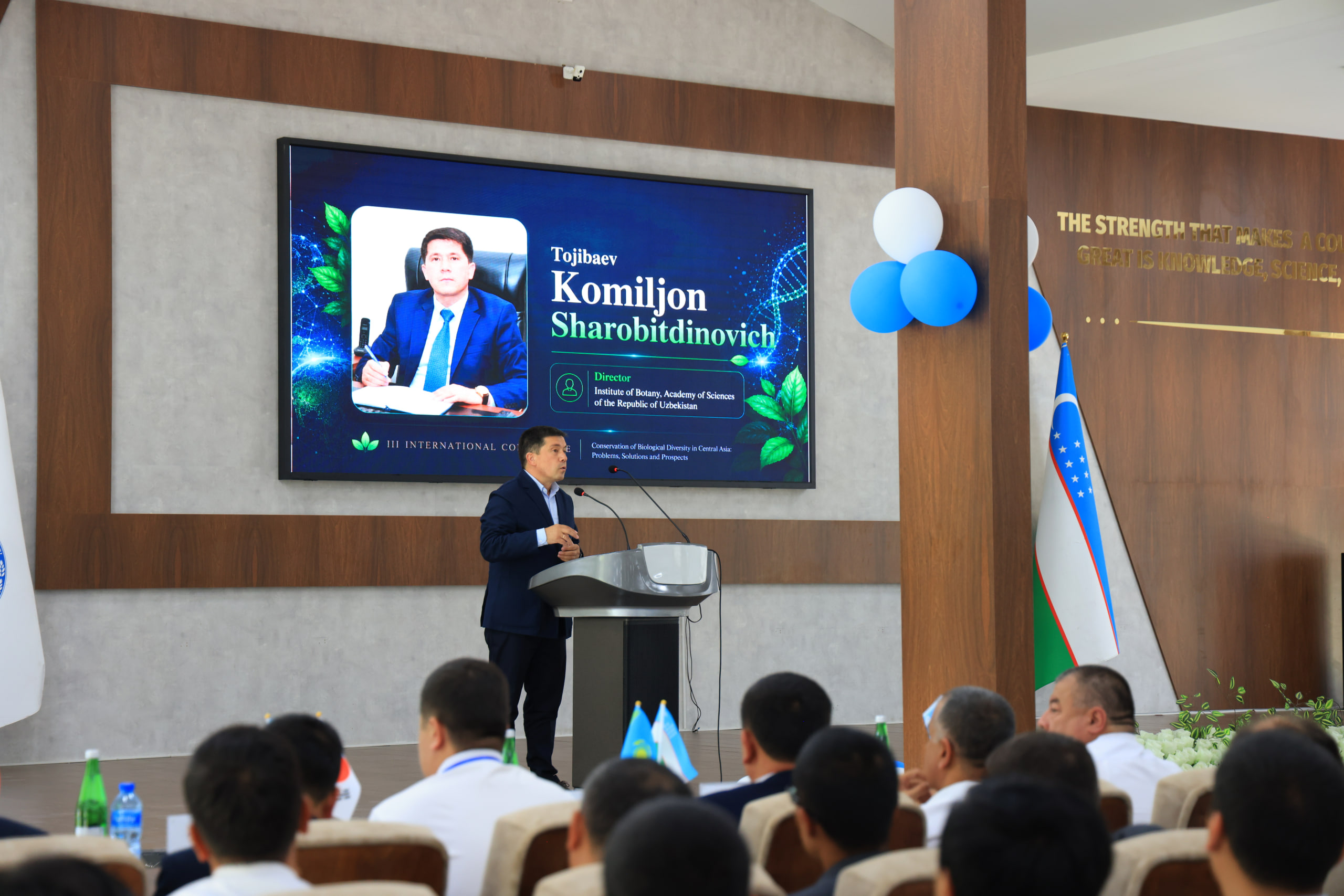
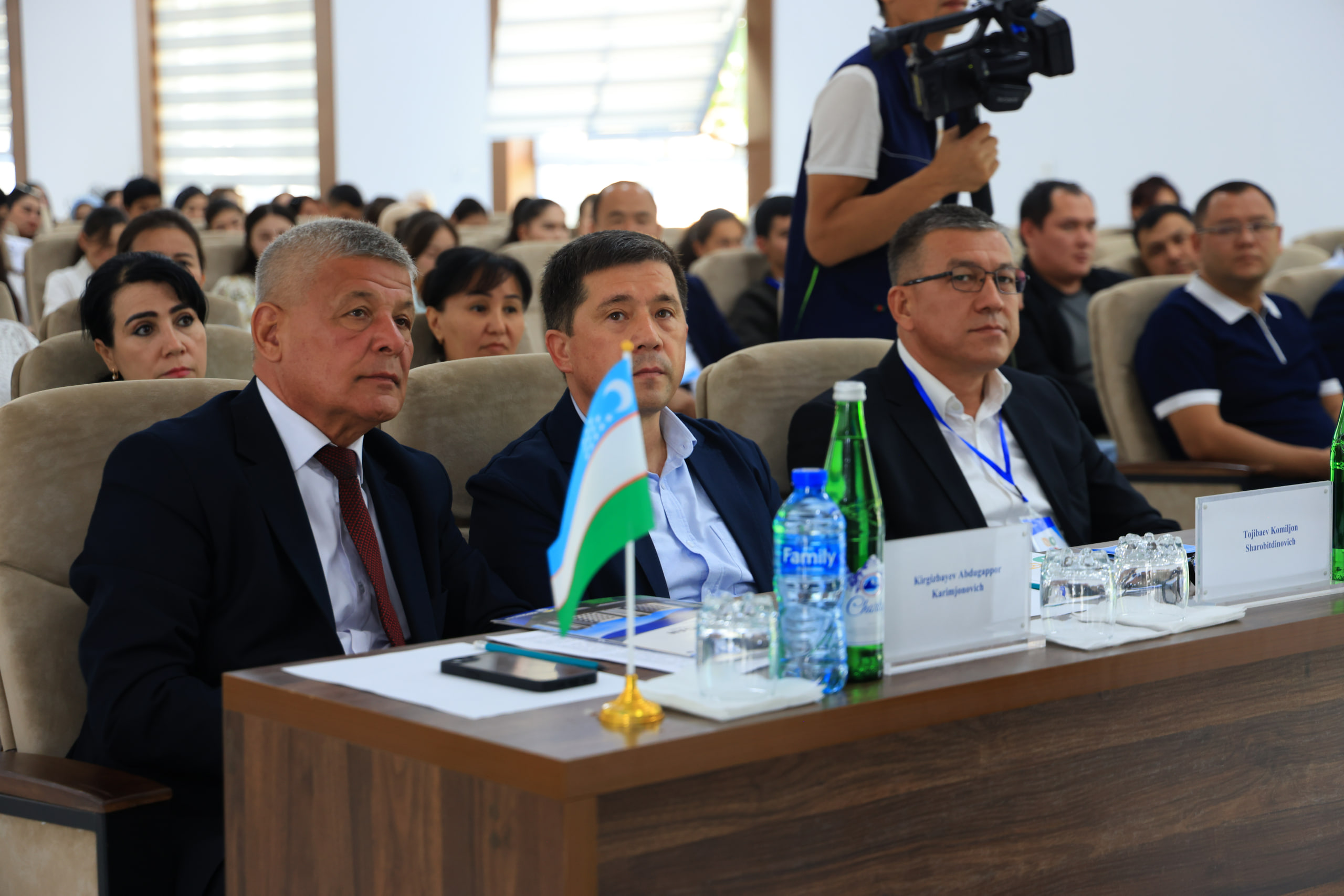
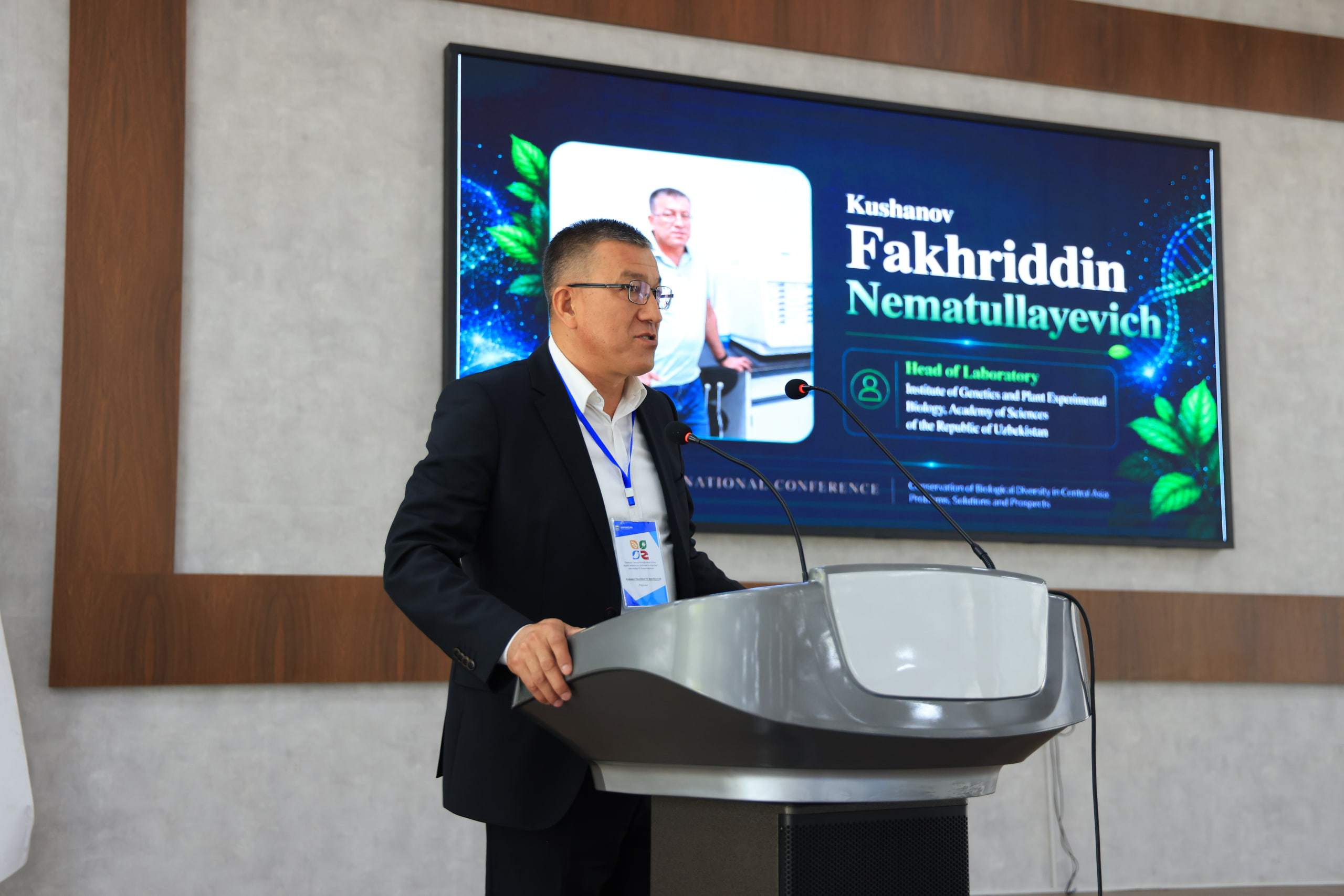
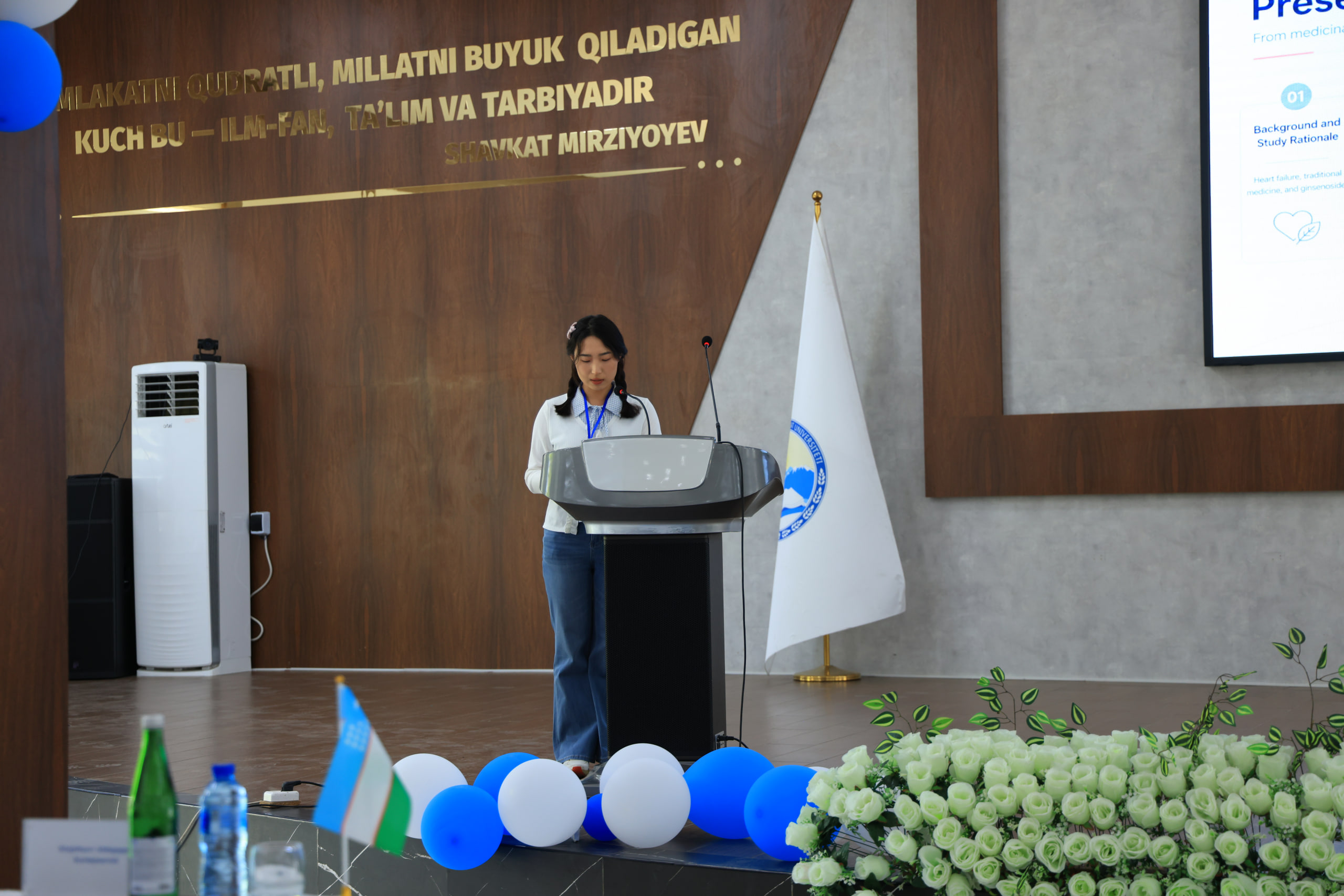
Within the framework of the 65th International Flower Festival, Namangan State University hosted the III International Scientific and Practical Conference entitled “Conservation of Biodiversity in Central Asia: Problems, Solutions and Prospects.”
The international conference was dedicated to identifying current and future biodiversity challenges, exchanging modern scientific approaches and advanced experience, as well as developing effective strategies for the preservation and protection of biodiversity in Central Asia.
At the opening ceremony of the conference, the Rector of Namangan State University, Abdug‘affor Qirg‘izboyev, and the Director of the Institute of Botany of the Academy of Sciences of the Republic of Uzbekistan, Academician Komiljon Tojibayev, delivered speeches emphasizing that the global biodiversity crisis continues worldwide and that the rational use of natural resources and preservation of ecosystems remain among the most pressing issues facing humanity today.
As noted during the conference, in accordance with the Resolution of the President of the Republic of Uzbekistan No. PQ-4805 dated August 12, 2020, Uzbekistan’s membership in the Global Biodiversity Information Facility (GBIF) was ensured. Furthermore, the Presidential Decree No. PF-158 dated September 11, 2023, “Uzbekistan – 2030 Strategy,” outlined important tasks aimed at elevating regional cooperation in ecology, environmental protection, and biodiversity conservation in Central Asia to a new level.
In order to implement these objectives, Namangan State University has been carrying out a number of practical initiatives focused on biodiversity research, digitalization, and the development of scientific studies. In particular, the university’s botanists uploaded data on more than 10,000 herbarium specimens to the international GBIF database. In addition, the www.iFlorist.uz platform created by the university’s scholars is becoming one of the leading scientific platforms for the digitalization of plant species within the flora of Uzbekistan.
Currently, the university is implementing fundamental scientific projects aimed at developing a digital platform for the flora of the Fergana Valley, as well as studying the hydrobiological composition of water bodies located on the dried seabed of the Aral Sea and exploring the potential use of promising algae species. These studies are being conducted in eight scientific research laboratories established at the university.
Moreover, based on the memorandum of cooperation signed between Namangan State University and the Institute of Botany of the Academy of Sciences of the Republic of Uzbekistan, the Namangan branch of the National Herbarium of Uzbekistan — TASH, the only one of its kind in the region, was established. More than 4,000 herbarium specimens were transferred to the branch, bringing the total collection close to 10,000 samples.
During the conference, participants delivered presentations on biodiversity conservation, environmental safety, protection of rare flora and fauna species, digitalization of scientific data, and modern solutions to environmental challenges.
The international scientific and practical conference brought together leading scientists and specialists from China, South Korea, Kyrgyzstan, Kazakhstan, Tajikistan, and Russia, as well as representatives of research institutes of the Academy of Sciences of the Republic of Uzbekistan and prestigious higher educational institutions of the country. More than 150 scientific articles and abstracts were submitted to the conference.
At the conclusion of the event, participants exchanged views on strengthening international cooperation in biodiversity conservation, supporting scientific research, and expanding innovative projects aimed at addressing environmental issues.
Guests and conference participants were also invited to attend the events of the 65th International Flower Festival, which is currently being held in Namangan at a high organizational level.