 English
 Uzbek
Uzbek
 Russian



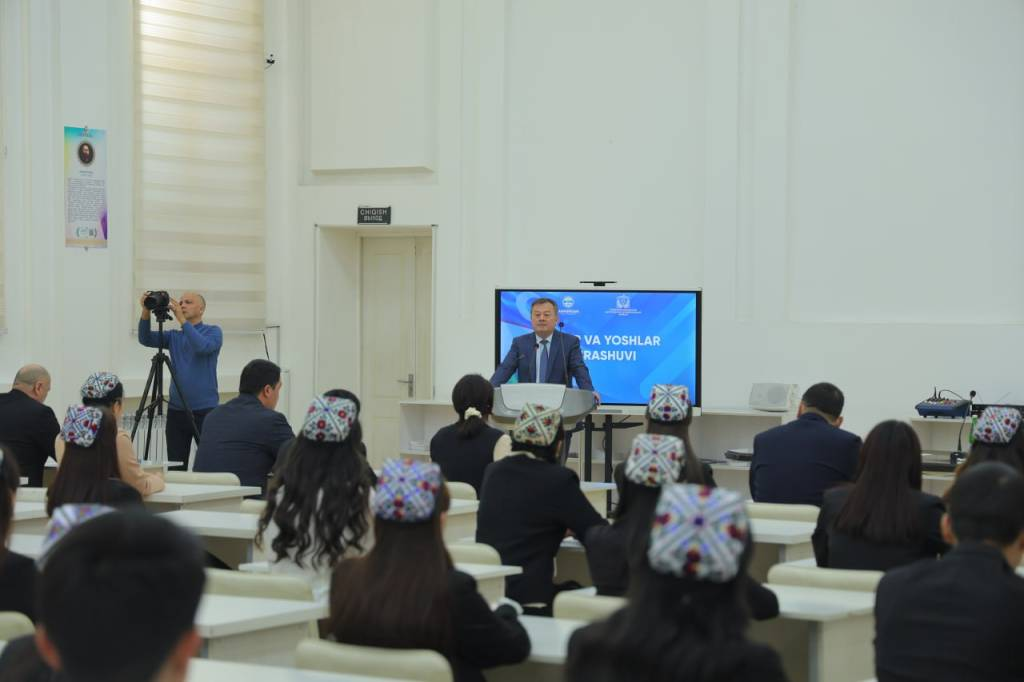
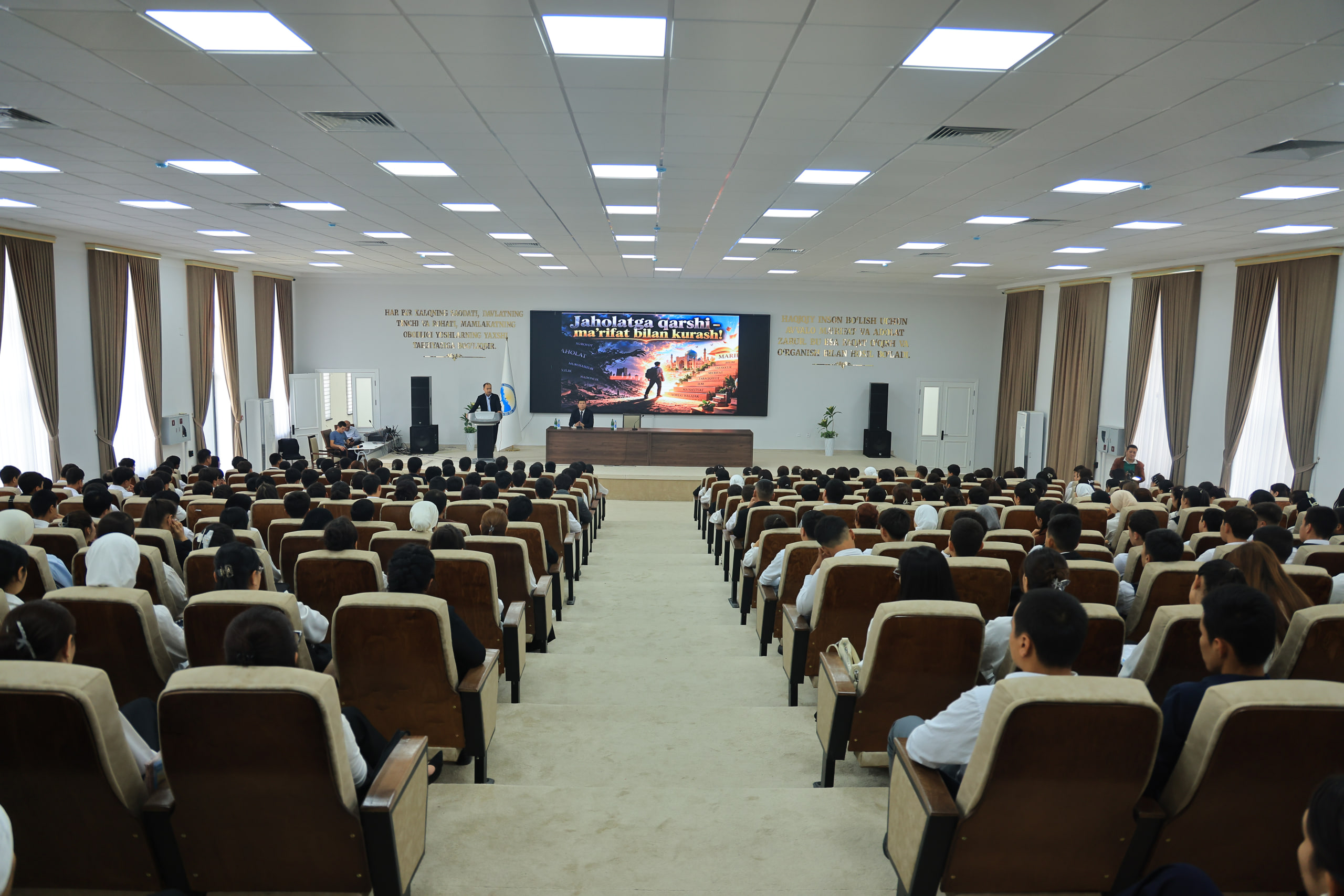
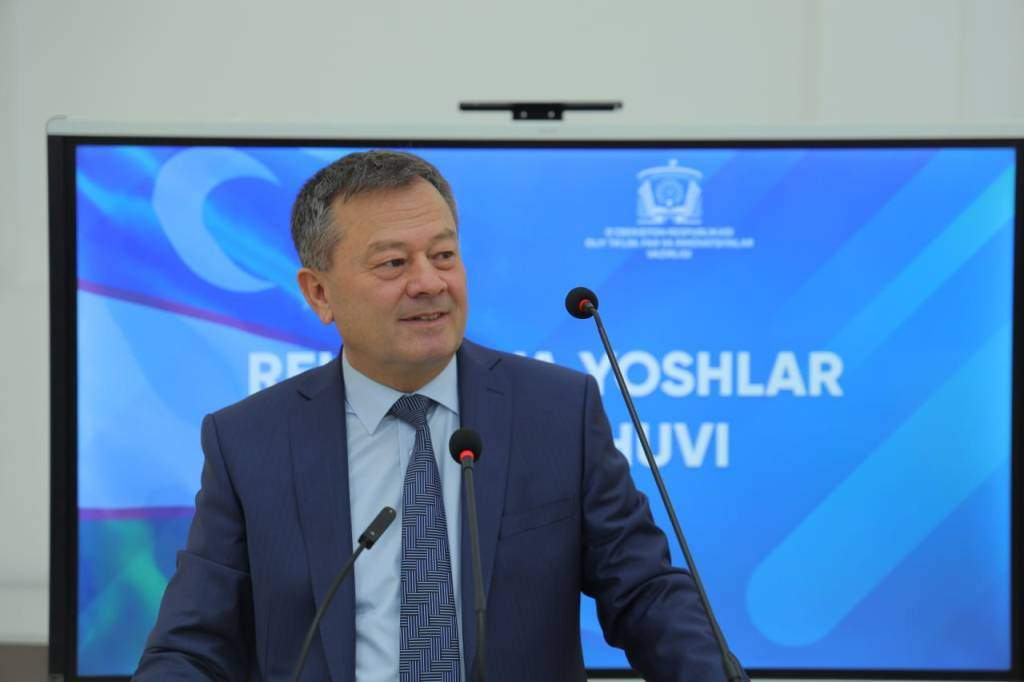
The rector of Namangan State University, Doctor of Pedagogical Sciences, Professor Sobitkhon Turg‘unov, held the first session of the "Rector and Youth" meeting with professors, teachers, and students at the Faculty of Biotechnology.
At the event, which was held in an open and sincere atmosphere, special attention was given to improving the quality of education, encouraging scientific research, and exchanging ideas with students. The rector discussed the development directions of the faculty, the available opportunities, and the plans to be implemented this year.
Currently, 1,114 students are studying at the Faculty of Biotechnology. Among them are recipients of state scholarships named after Islam Karimov, Abu Rayhon Beruni, and Mirzo Ulugbek, as well as numerous winners of various competitions and contests. More than 90 professors and teachers are actively working in the Departments of Biology and Biotechnology.
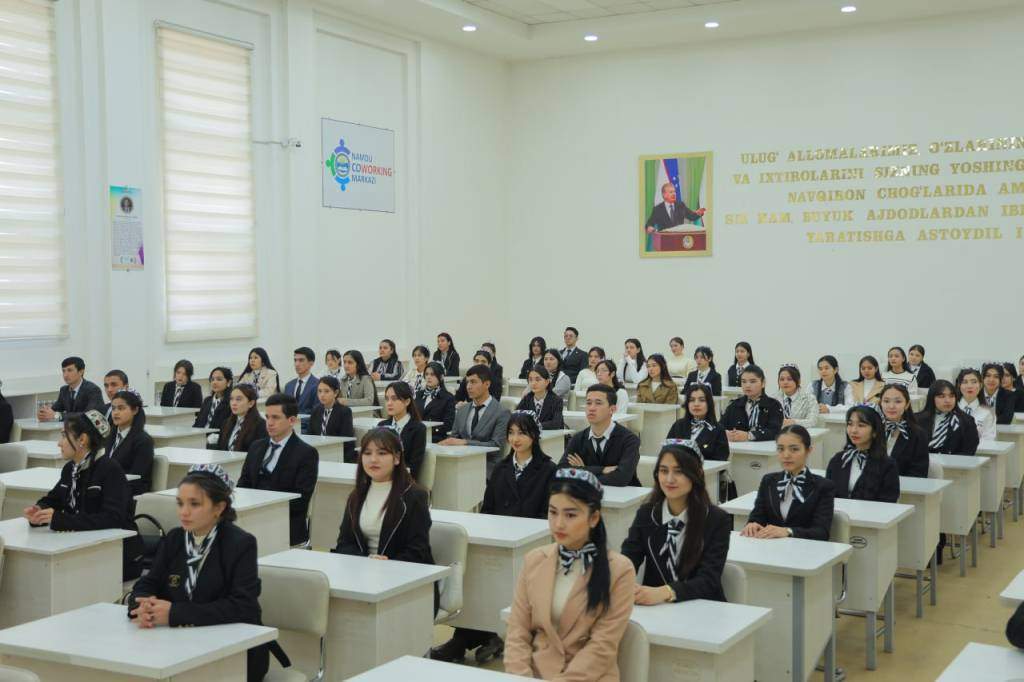
Currently, the faculty offers a total of 11 programs and has established close cooperation with the Belarusian Institute of Food, the Moscow Institute of Biotechnology, Khujand State University, and the Kunming Institute of Botany in China. During the meeting, professors and teachers provided information about the scientific research being conducted at the faculty, innovative approaches in the teaching process, and international collaborations.
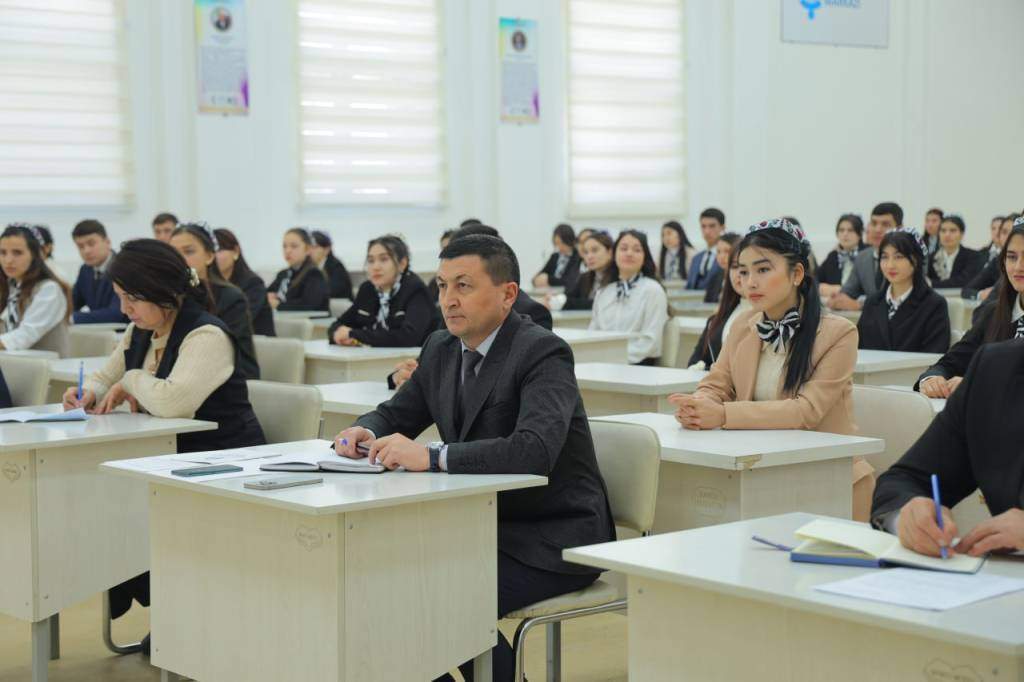
In the first quarter of 2025, in collaboration with the Xinjiang Institute of Ecology and Geography in China, the establishment of educational and scientific laboratories in fields such as biotechnology and microbiology, biochemistry and molecular biology, botany, and zoology will be completed. This initiative aims to ensure the direct integration of the education process with practical applications.
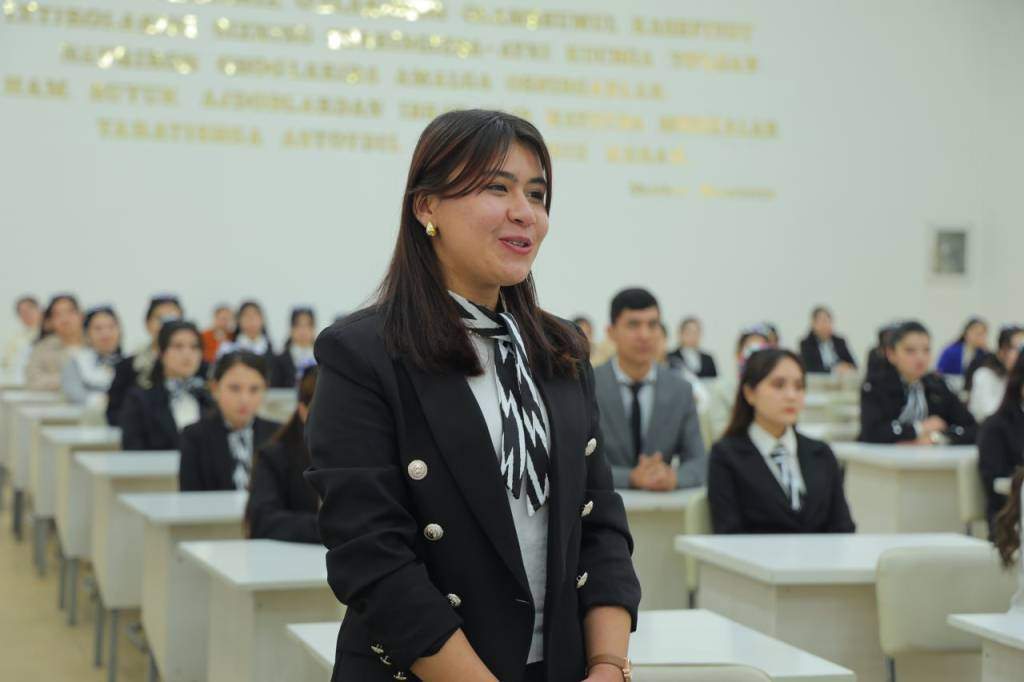
As a result, within the framework of the "Green Space" national project, opportunities will arise to conduct research aimed at protecting biodiversity and ensuring the sustainable use of resources, mitigating the negative effects of climate change, and using biotechnological methods to cultivate plants resistant to changing environmental conditions.
During the discussion, the opinions and suggestions of professors, young scientists, and students were also heard. It was emphasized that students' initiatives to be more active will always be supported. Additionally, issues such as grant programs for young scientists, equipping laboratories with modern equipment, and providing students with hands-on experience were discussed.
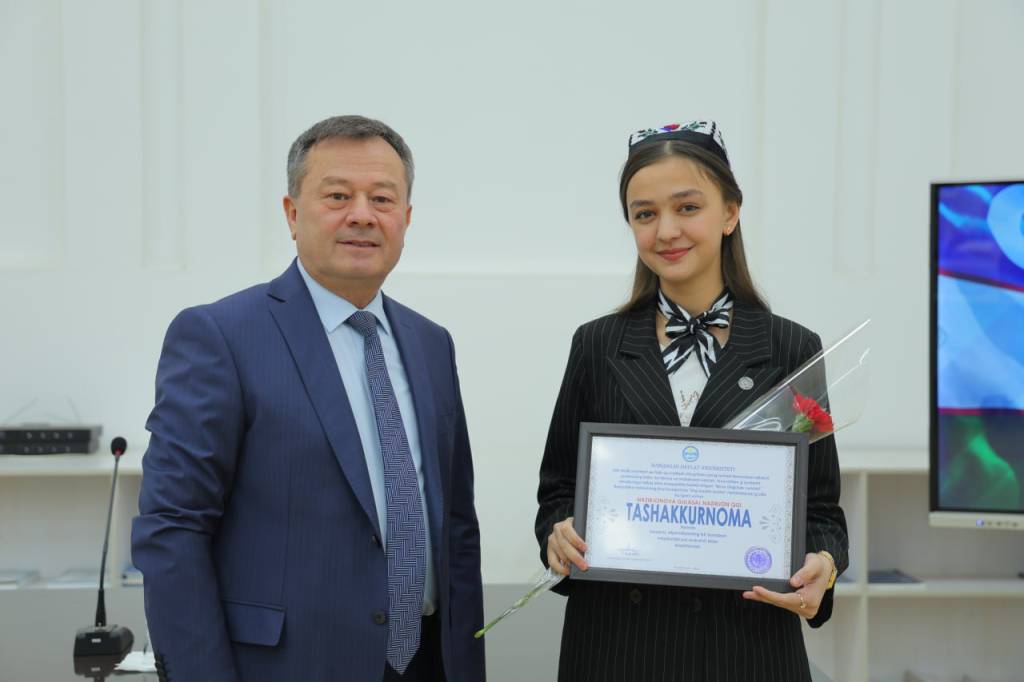
At the end of the event, a group of professors and teachers who had demonstrated exemplary work throughout the past year, as well as recipients of prestigious scholarships and active students, were awarded cash prizes. Furthermore, a group of students was allowed to learn English for free at the university’s “Language Center.”