 English
 Uzbek
Uzbek
 Russian



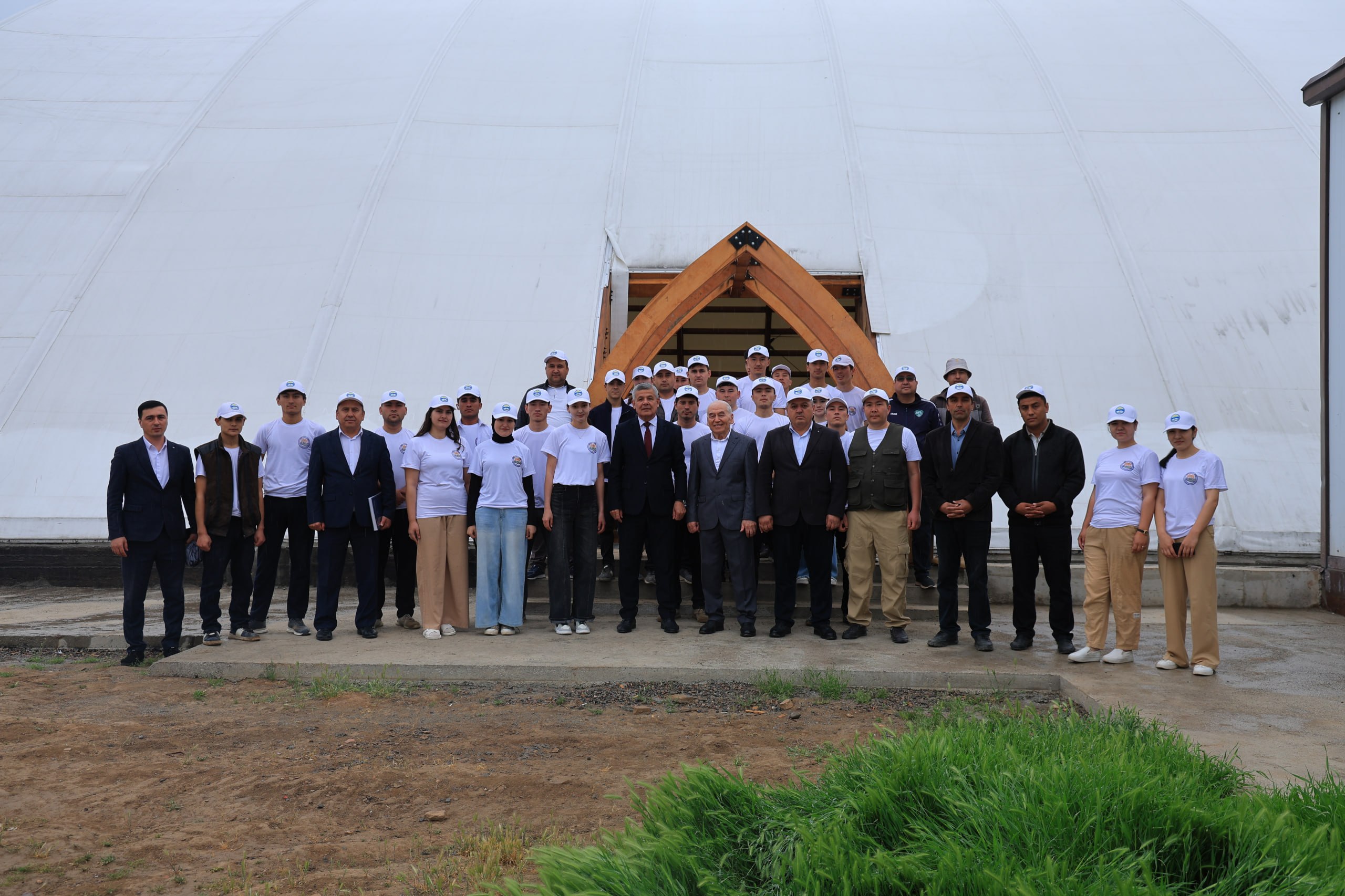
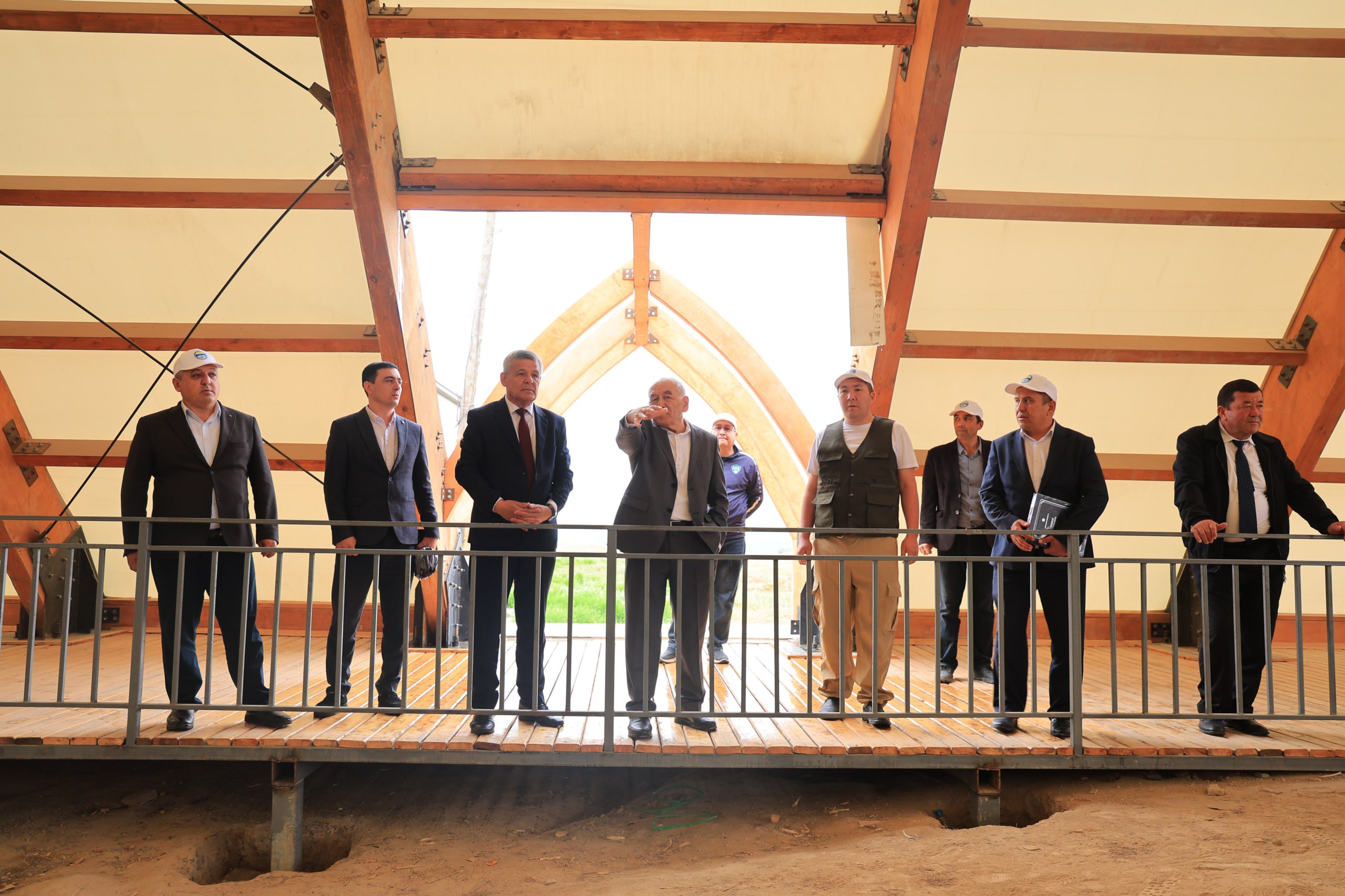
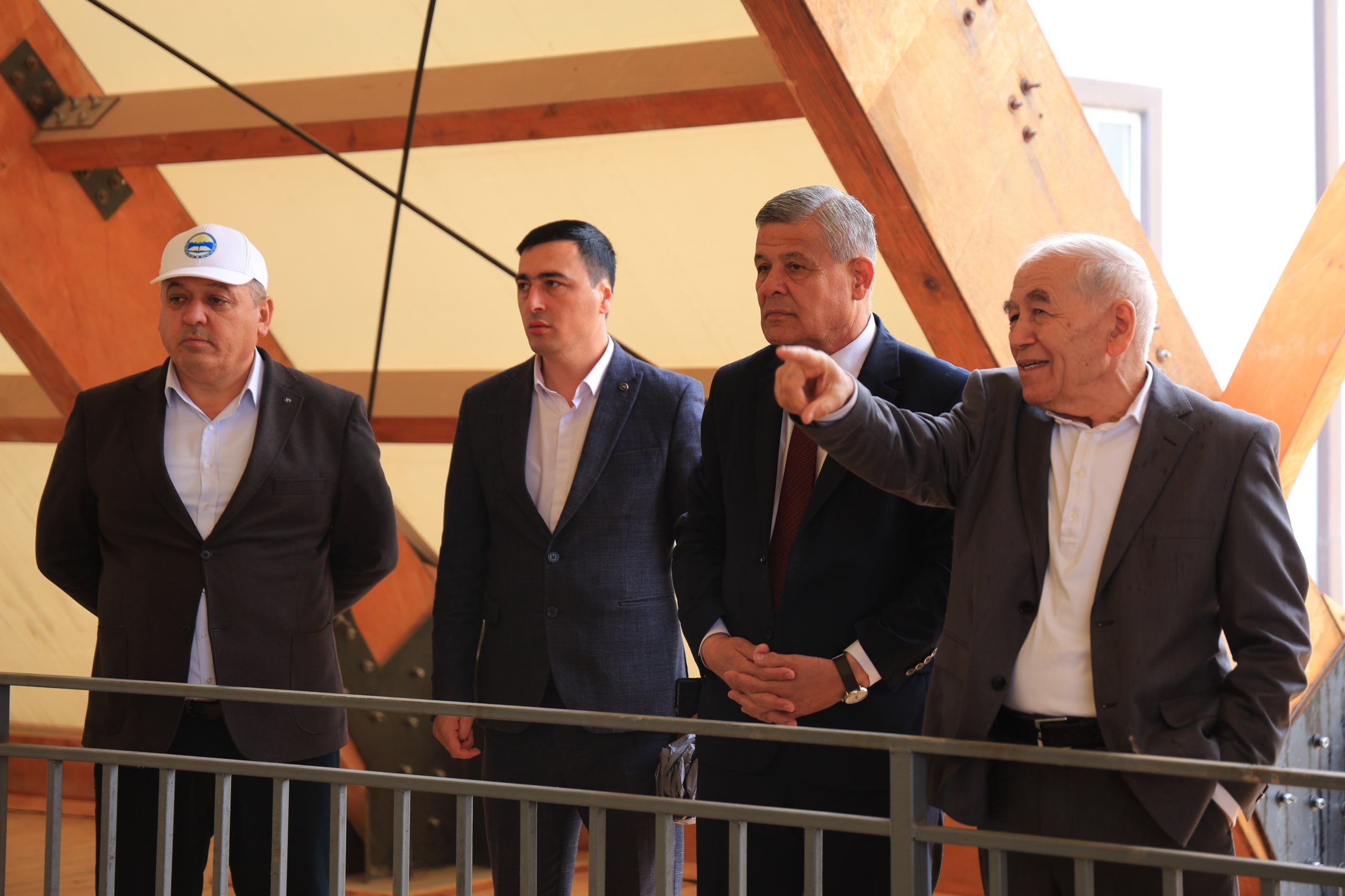
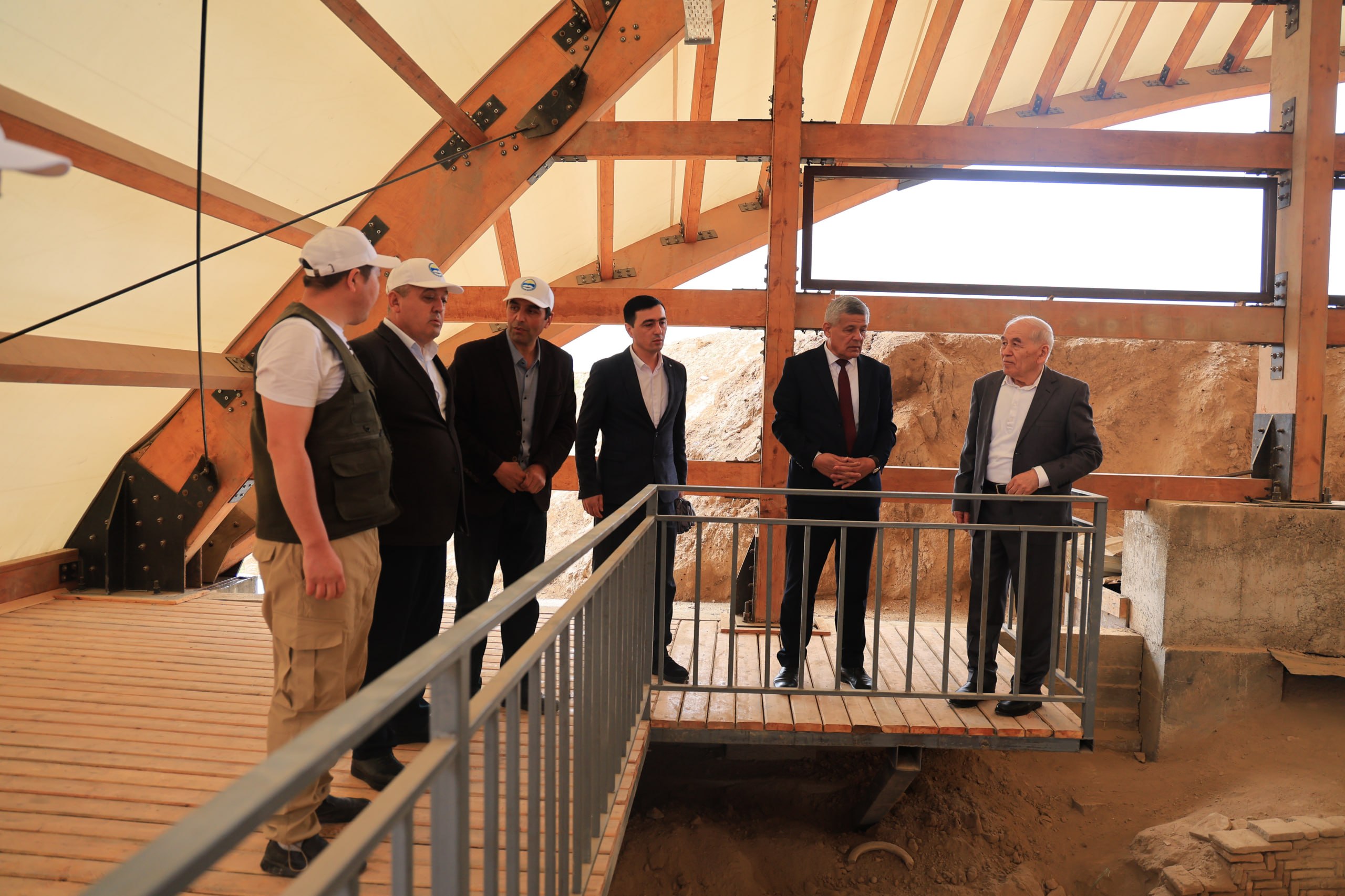
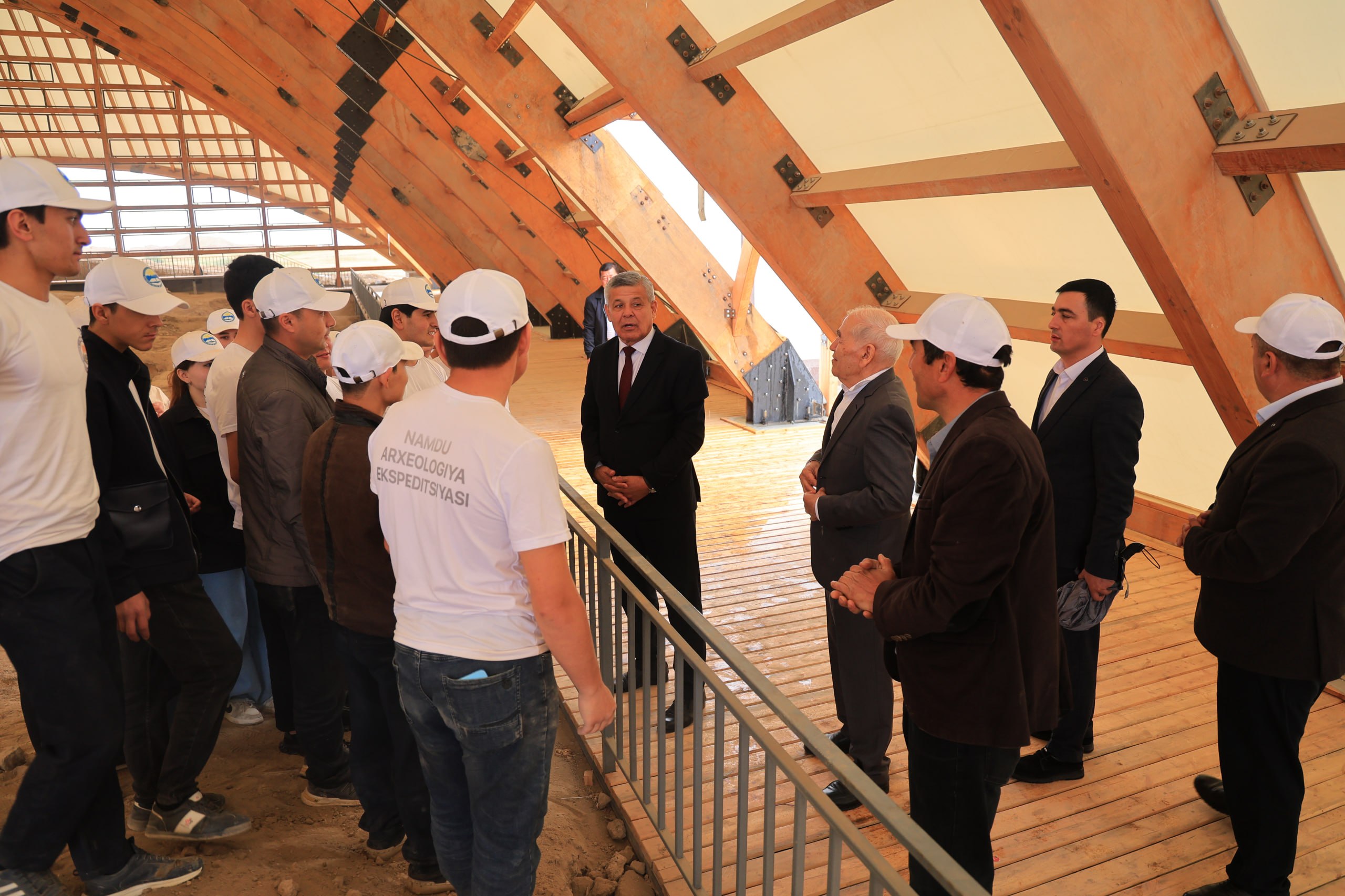
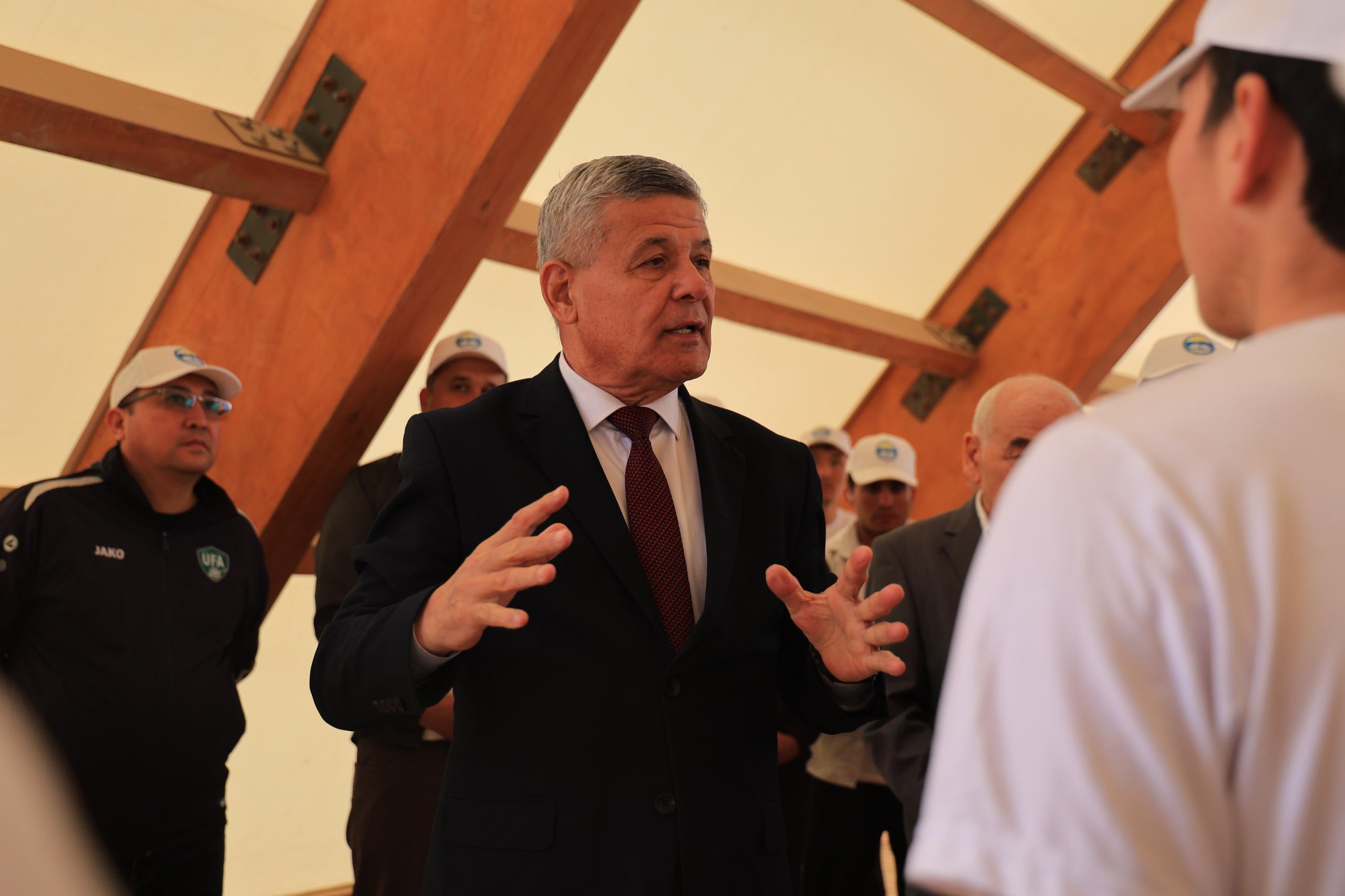

The Rector of Namangan State University, Abdug‘affor Qirg‘izboyev, visited the Axsikent archaeological complex, one of the प्रमुख cities of the Great Silk Road and the capital of the ancient Fergana state.
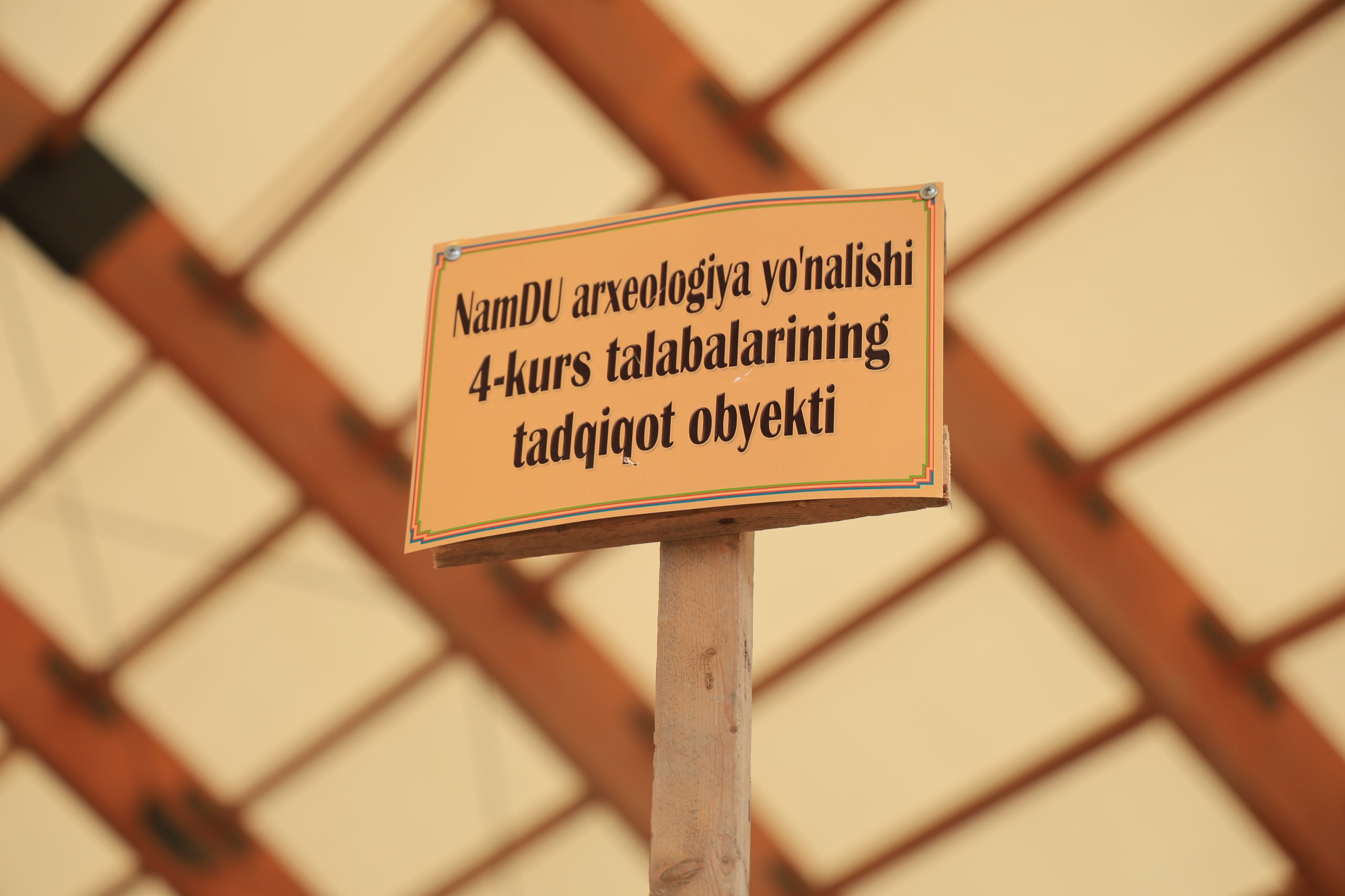
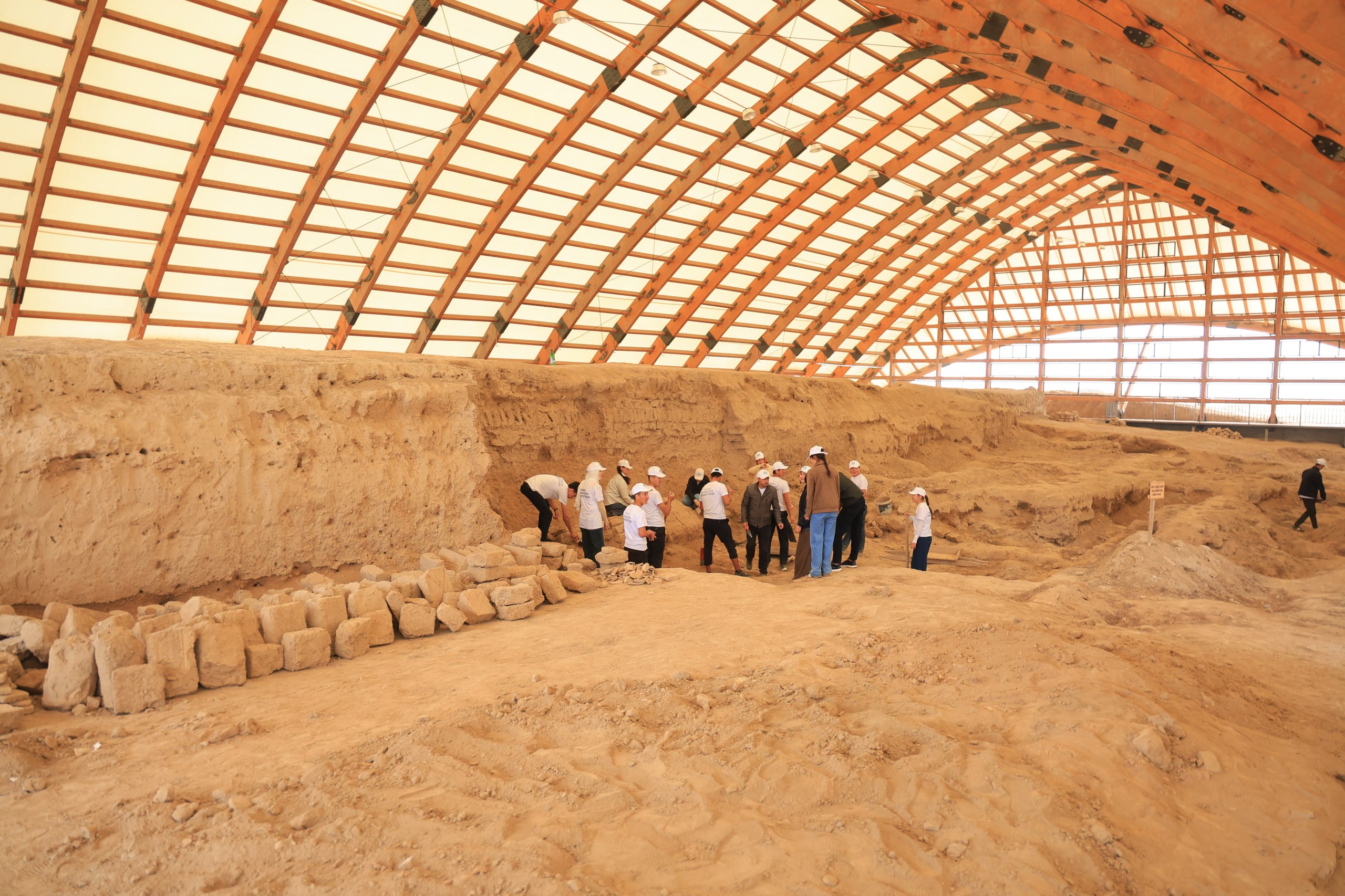
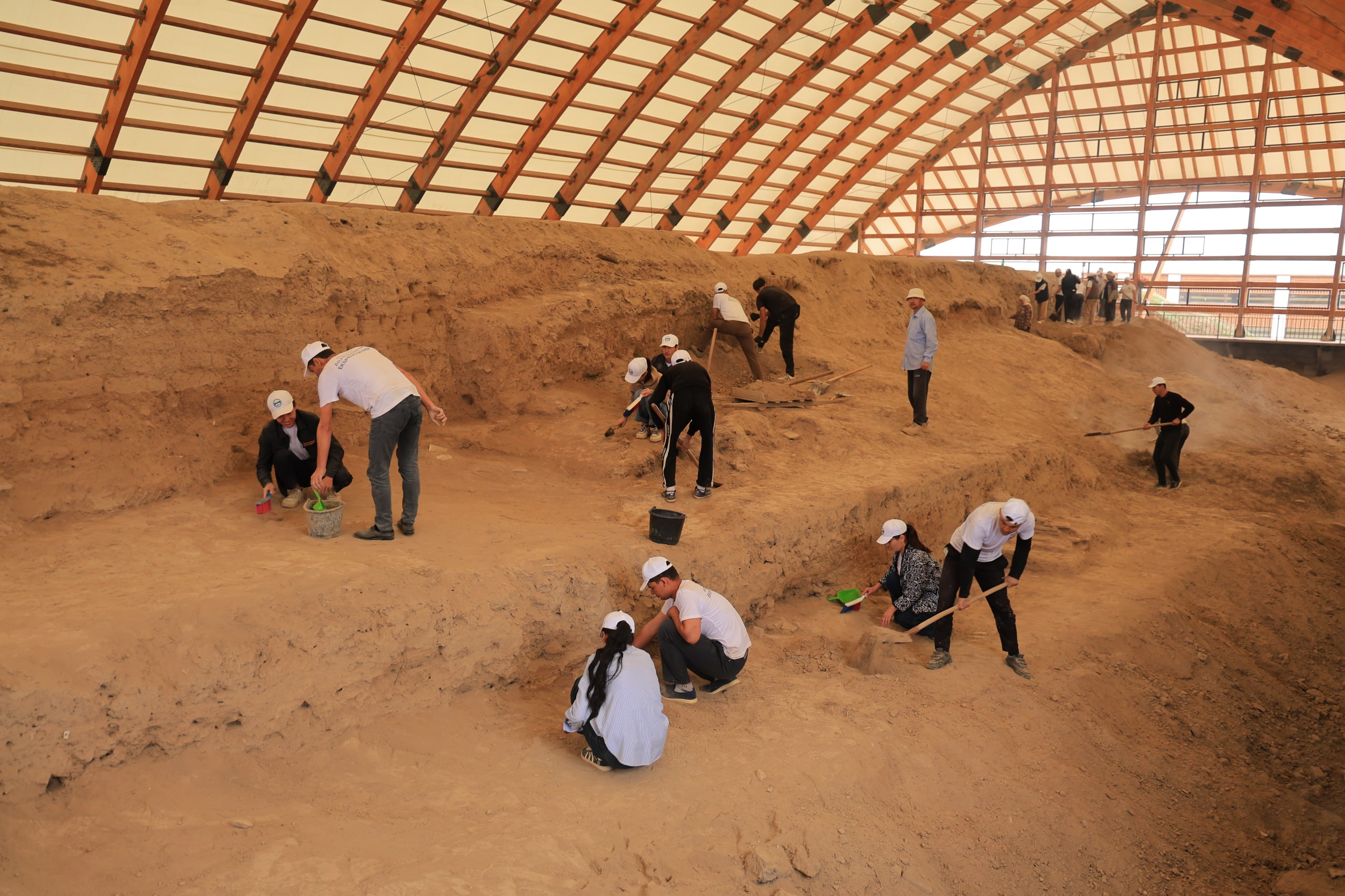
During the visit, the rector became closely acquainted with the activities of the complex, its historical significance, and the archaeological excavations being carried out in the area by students of the Archaeology program of Namangan State University.
Axsikent, as an ancient city, was founded in the 3rd century BC and served as the capital of the Fergana state, as well as an important trade and cultural center along the Great Silk Road. Historical sources, particularly the “Baburnama,” highlight the strategic and historical importance of this city.
Due to the presence of underground water structures, Axsikent was considered advantageous for defense purposes. The city consisted of a citadel, inner city, and outer city. In its time, crafts such as glassmaking, pottery, blacksmithing, and weapon production were highly developed here.
According to historical sources, the city was destroyed by a powerful earthquake in the 1620s. Today, approximately 70 hectares of its remains have been preserved, making Axsikent one of the largest archaeological sites in the Fergana Valley.
At the end of the visit, Rector Abdug‘affor Qirg‘izboyev reviewed the results of archaeological research and the scientific and practical work carried out with student participation, emphasizing the importance of further developing this field.